Felix the Cat
About This Game
Felix the Cat is a charming NES platform game built around one of animation history's most recognizable characters. Released in the early 1990s, the game takes the playful personality of Felix and turns it into a colorful side-scrolling adventure filled with strange enemies, floating platforms, moving obstacles, collectibles, and imaginative environments. Although it looks like a simple cartoon platformer at first glance, Felix the Cat has a surprisingly polished collection of mechanics that make it one of the more enjoyable character-based games on the Nintendo Entertainment System.
The adventure begins with Felix facing a familiar problem for a cartoon hero: trouble caused by his longtime rival, the Professor. The story provides a simple reason for the journey without overwhelming the gameplay. Felix must travel through a variety of stages, defeat enemies, overcome obstacles, and eventually confront the forces working against him. The narrative is intentionally lighthearted, allowing the colorful presentation and platforming mechanics to remain the main focus.
One of the first things that stands out about Felix the Cat is its visual style. The game makes excellent use of the NES hardware to create bright environments and expressive character animations. Felix himself is immediately recognizable, with his black body, white eyes, and distinctive cartoon appearance. His movement is designed to feel playful rather than overly serious, which fits the character perfectly.
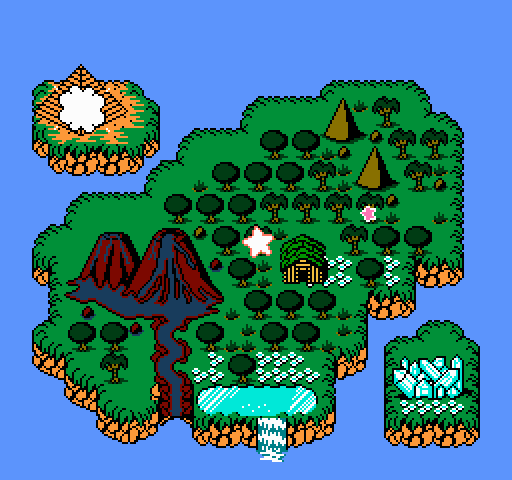
The stages take Felix through a variety of environments, ensuring that the adventure does not feel visually repetitive. Forests, water-filled areas, mechanical sections, and unusual fantasy locations provide different backgrounds and obstacles as the game progresses. The colorful presentation gives the game an almost Saturday-morning-cartoon atmosphere, making it particularly appealing to players who enjoy retro games with a cheerful visual identity.
At the heart of Felix the Cat is traditional side-scrolling platforming. Felix runs, jumps, avoids hazards, defeats enemies, and collects useful items while moving through each stage. The controls are relatively straightforward, which makes the game easy to pick up, but successful progress still requires careful timing.
Platforms are positioned at different heights, enemies patrol certain areas, and hazards can appear in unexpected locations. The player therefore has to balance speed with caution. Rushing through a stage may be tempting, but taking a moment to observe enemy movement can prevent unnecessary damage or a frustrating mistake.
Felix also has access to a particularly memorable collection of power-ups. His magical bag is an important part of the gameplay and gives him abilities that make the adventure more varied. Depending on the situation, Felix can use different forms of equipment and attacks to deal with enemies or overcome obstacles.
The magical bag is more than just a visual reference to Felix's cartoon identity. It provides the game with a useful progression mechanic and gives the player additional tools to experiment with. Different power-ups can change the way Felix approaches enemies and certain sections of a stage, making the gameplay more interesting than a simple jump-and-run formula.
One of the game's strengths is how it combines accessibility with variety. A younger player can understand the basic objective almost immediately: move forward, jump over obstacles, defeat enemies, and reach the end of the stage. At the same time, experienced platform-game players can pay attention to collectibles, power-ups, enemy patterns, and safer routes.
The level design frequently encourages the player to look around rather than simply holding the directional button. Platforms may lead toward hidden areas, while collectible items can reward players who explore a little more carefully. This creates a nice rhythm between straightforward movement and small moments of discovery.
Enemies are generally designed around recognizable movement patterns rather than complicated artificial intelligence. Some move along platforms, others fly through the screen, and others act as stationary hazards. Learning these patterns is important because Felix's relatively simple movement set means that timing is often more important than complex combat techniques.
The game also does a good job of maintaining a playful atmosphere even when the difficulty increases. Enemies and obstacles are presented in a cartoonish style, so failure usually feels like part of the classic platforming challenge rather than something particularly punishing in tone. The cheerful graphics and energetic presentation help balance the more difficult sections.
Another appealing feature is the game's pacing. Felix the Cat generally keeps the player moving from one challenge to the next without lengthy interruptions. Stages contain enough variety to maintain interest, while the changing environments help make the overall journey feel like a genuine adventure.
The sound design contributes to this personality. The music has an upbeat, playful quality that fits Felix's cartoon origins. Sound effects reinforce actions such as jumping, collecting items, attacking enemies, and receiving power-ups. Like many well-designed NES platformers, the soundtrack and effects work together to give the game a recognizable identity despite the technical limitations of the hardware.
Felix the Cat is also an interesting example of how licensed or character-based games could be handled successfully on the NES. Not every game based on a famous cartoon character managed to capture the personality of its source material. Felix the Cat benefits from a visual style that naturally translates into video game mechanics. The magical bag becomes a gameplay system, the cartoon enemies fit naturally into platforming stages, and Felix's exaggerated animation makes the character immediately readable on screen.
The game's difficulty is generally more approachable than some of the notoriously demanding NES platformers. That does not mean the adventure is effortless. Later stages can require accurate jumps, careful movement, and better understanding of enemy behavior. However, the game tends to emphasize learning and timing rather than overwhelming the player with constant punishment.
For modern retro gamers, Felix the Cat is especially interesting because it represents a lesser-known corner of the NES library. Players who grew up with famous Nintendo platformers may recognize Felix as a character but have never experienced his NES adventure. The game is therefore a pleasant discovery for anyone exploring beyond the most famous titles from the system.
Its appeal comes from the combination of recognizable character design, colorful graphics, simple controls, imaginative power-ups, and classic platforming structure. It does not attempt to reinvent the genre, and that is part of its charm. Instead, it takes a familiar formula and gives it a distinct cartoon personality.
The magical elements are particularly effective because they prevent the game from becoming visually or mechanically monotonous. Felix's abilities give the player reasons to pay attention to power-ups and experiment with different approaches. Combined with changing environments and enemy patterns, these mechanics give the adventure enough variety to remain entertaining throughout its stages.
Looking back today, Felix the Cat is a good example of a retro platformer that deserves more attention than its relatively obscure status might suggest. It captures the playful spirit of its character while providing a solid NES action experience. The controls are approachable, the presentation is colorful, and the level design offers enough challenges and surprises to keep the adventure engaging.
For fans of classic Nintendo platform games, cartoon-based adventures, and forgotten NES titles, Felix the Cat is an enjoyable game to revisit. It may not have achieved the legendary status of Mario or Mega Man, but its combination of charming presentation and competent gameplay makes it a memorable part of the NES library. Felix's magical bag, varied stages, cartoon enemies, and cheerful atmosphere give the game a personality that remains easy to appreciate even decades after its original release.




No comments yet.