Gravity Armor Metal Storm
About This Game
Gravity Armor Metal Storm is a fast-paced science-fiction action game released for the Nintendo Entertainment System in 1991. Developed by Tamtex and published by Irem, the game stands out from many other NES shooters because its central mechanic is built around gravity manipulation. Instead of simply running, jumping, and shooting through conventional platforming stages, the player controls a heavily armed combat machine capable of changing the direction of gravity. This unusual idea gives Metal Storm a distinctive identity and makes its level design considerably more interesting than its simple appearance might suggest.
The player controls the Metal Storm combat machine, a powerful robotic unit sent into dangerous environments where advanced weapons and hostile machines threaten humanity. The game combines side-scrolling action with platforming and shooting, but its most important feature is the ability to reverse gravity. With the press of a button, the machine can move from the floor to the ceiling and continue navigating the stage from an entirely different orientation.
This gravity system is not merely a visual trick. It is the foundation of the game's level design. Platforms, obstacles, enemies, and hazards are arranged so that changing gravity becomes essential for progressing through certain sections. A path that appears impossible from the floor may become accessible once the machine flips onto the ceiling. Likewise, an enemy positioned above the player can become easier to approach after changing gravity. The player therefore needs to think about movement in two directions rather than simply moving from left to right.
Gravity Armor Metal Storm is presented as a side-scrolling action game, with the screen constantly introducing new obstacles and enemies. The Metal Storm machine can fire its weapons while moving through the stages, giving the player a reliable offensive tool. Enemies include various mechanical threats that attack from different positions, forcing the player to pay attention not only to what is ahead but also to what is above and below.
The gravity mechanic makes ordinary platforming considerably more demanding. In a conventional NES platformer, players generally understand that the ground is beneath their character and hazards are positioned accordingly. Metal Storm removes that assumption. The ceiling can become the floor, and the floor can become the ceiling. This creates situations where players must quickly judge distances, positions, and safe landing areas before changing gravity.
Another important part of the experience is the Metal Storm machine's ability to deal with enemies while maintaining mobility. The game does not rely entirely on slow exploration. Combat is usually quick, and enemies can appear in groups or occupy inconvenient positions. The player needs to balance attacking with positioning, particularly when the surrounding environment contains narrow platforms or dangerous obstacles.
The stages are designed around this combination of shooting and gravity-based movement. Some areas emphasize straightforward combat, while others require more careful manipulation of the environment. As the game progresses, the player is introduced to increasingly demanding arrangements of platforms and enemies. The challenge comes not simply from stronger opponents but from the way the level design forces the player to understand the gravity system.
This makes Metal Storm an interesting example of how developers experimented with the NES hardware. By the early 1990s, developers had already produced many platformers and action games using familiar formulas. Gravity Armor Metal Storm attempted something different. Its core mechanic gave the game a unique gameplay identity without requiring a complicated control system.
The controls are relatively simple once the player understands the gravity mechanic. Movement, jumping or gravity switching, and shooting form the foundation of the experience. The difficulty comes from combining these actions at the correct moment. A player may know exactly what button changes gravity but still fail because the switch was made too early, too late, or in an unsafe position.
Timing becomes particularly important during more complicated sections. Switching gravity while surrounded by enemies can leave the machine exposed, while changing orientation near a hazard can result in an immediate mistake. Successful play therefore involves learning the layout of each area and recognizing when the safest opportunity to reverse gravity is available.
The game also has a strong visual identity for an NES title. Metal Storm uses a mechanical science-fiction aesthetic, with robotic enemies, industrial environments, metallic structures, and futuristic machinery. The setting feels very different from the fantasy worlds common in NES action games. Instead of castles, forests, and monsters, the player spends much of the game navigating technological environments filled with machines and weapons.
The Metal Storm machine itself is an important part of the game's appeal. Its large armored appearance gives the player a sense of controlling a heavy combat unit rather than a traditional human hero. The machine's ability to operate on both floors and ceilings reinforces this mechanical identity and makes it feel purpose-built for the dangerous environments found throughout the game.
The sound design supports the action-oriented presentation. Weapon fire, enemy explosions, movement, and other effects help give the stages an energetic atmosphere. Like many late-era NES games, Metal Storm benefits from developers having a much better understanding of the hardware than they did during the console's earliest years.
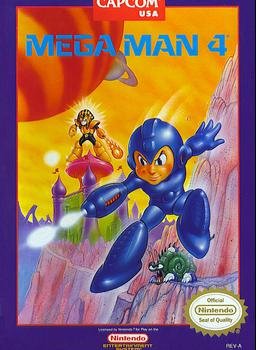
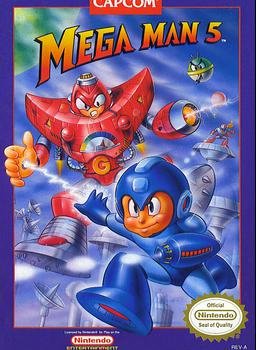
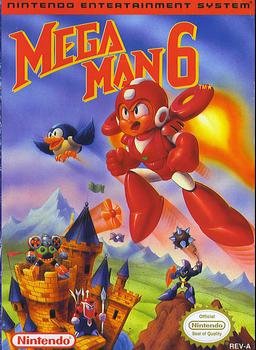
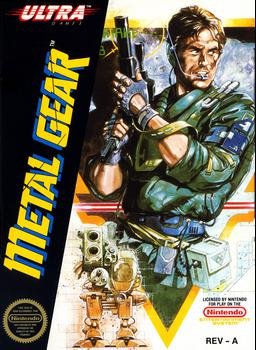
One of the reasons Metal Storm has become particularly interesting to retro game enthusiasts is its relative obscurity. It was not one of the NES titles that achieved the same mainstream recognition as Super Mario Bros., Mega Man, Contra, or Castlevania. However, players who discover it often remember it because of the gravity mechanic. The concept gives the game something that is immediately recognizable and difficult to confuse with another NES action title.
Its release date is also significant. By 1991, the NES was approaching the later part of its commercial life in many markets, and developers were finding increasingly creative ways to push the system. Metal Storm demonstrates how a relatively straightforward 8-bit console could still support unusual gameplay concepts late in its lifespan.
The difficulty can be demanding, particularly for players who are unfamiliar with gravity-based platforming. Success requires learning enemy placements, understanding when to reverse gravity, and becoming comfortable with the game's unusual movement. Mistakes are often caused less by a lack of shooting ability and more by poor positioning. Once the gravity system becomes natural, however, the game begins to feel much more controlled.
There is also an interesting sense of experimentation throughout the game. Rather than presenting gravity as a gimmick used in one or two stages, Metal Storm makes it the foundation of the entire experience. Every room and obstacle can potentially be viewed from two orientations. This creates a constant mental adjustment that keeps the gameplay from becoming completely predictable.
For fans of classic NES action games, Gravity Armor Metal Storm is therefore worth remembering as one of the console's more inventive late-generation titles. It combines shooting, platforming, mechanical enemies, science-fiction environments, and an unusual gravity system into a compact but distinctive adventure.
The game may not have received the same attention as the biggest NES franchises, but its design has aged particularly well among players who appreciate unusual mechanics. Gravity Armor Metal Storm shows that innovation on the NES was not limited to graphical improvements or larger games. Sometimes a single clever idea—allowing the player to turn the world upside down—was enough to create an entirely different kind of action game.


No comments yet.