Castlevania: Harmony of Dissonance
About This Game
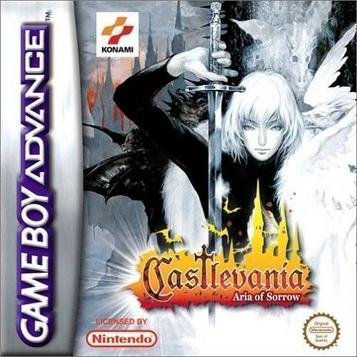
Castlevania: Harmony of Dissonance is an action-adventure platform game developed and published by Konami for the Game Boy Advance. It is the second Castlevania title released on the handheld system and serves as a follow-up to Circle of the Moon. The game continues the series’ signature Metroidvania style, combining fast-paced combat, exploration, and RPG-inspired progression within a vast and interconnected castle environment.
The story follows Juste Belmont, a descendant of the legendary vampire hunter Simon Belmont. Juste enters Dracula’s castle in search of his childhood friend Lydie Erlanger, who has been kidnapped under mysterious circumstances. As Juste explores the cursed castle, he uncovers dark secrets tied to Dracula’s resurrection and his own hidden family legacy. The narrative gradually unfolds as players progress deeper into the castle’s dangerous regions.
Harmony of Dissonance refines the gameplay formula introduced in earlier Castlevania titles while introducing several new mechanics. One of the most notable additions is the dual-castle system. The game features two overlapping versions of Dracula’s castle: one normal and one alternate, corrupted version. Players must switch between these two dimensions to solve puzzles, access new areas, and progress through the game. This mechanic adds depth to exploration and encourages players to think carefully about environmental changes.
Combat in Harmony of Dissonance is noticeably faster and more fluid compared to its predecessor. Juste wields the traditional vampire hunter whip, along with a variety of sub-weapons such as axes, daggers, and holy water. The controls are responsive, allowing for quicker movement, more dynamic combat encounters, and smoother platforming. This makes the game feel more action-oriented while still retaining RPG elements.
The game also introduces the Spell Fusion system, which allows players to combine sub-weapons with magical books to create powerful special attacks. This system adds strategic depth to combat, as players must experiment with different combinations to discover the most effective abilities. Spell Fusion attacks can deal massive damage or provide utility in challenging situations, making them essential for boss fights and difficult enemy encounters.
Exploration remains a core element of the gameplay. The castle is large, maze-like, and filled with hidden rooms, secret passages, and valuable items. Players are encouraged to revisit earlier areas after gaining new abilities or discovering alternate castle layouts. This Metroidvania structure ensures a strong sense of progression and rewards curiosity and persistence.
Visually, Harmony of Dissonance takes a brighter and more colorful approach compared to Circle of the Moon. The environments are more vibrant, with detailed backgrounds and smoother animations. While some fans prefer the darker tone of earlier entries, this game stands out for its distinct visual style and improved clarity on the Game Boy Advance screen. Character sprites are larger and more expressive, contributing to the game’s more dynamic presentation.
The soundtrack, composed by Michiru Yamane and others, features a mix of energetic and atmospheric tracks. The music enhances both exploration and combat, reinforcing the tension and excitement of navigating Dracula’s castle. As the title suggests, sound and musical themes play a symbolic role in the game’s identity, reflecting the idea of harmony and dissonance within its world design and story.
Boss battles are another highlight of the game, offering challenging encounters that test the player’s reflexes and understanding of mechanics. Each boss has unique attack patterns and requires careful observation and strategy to defeat. These battles serve as major milestones in the game’s progression and contribute significantly to its difficulty curve.
Although Harmony of Dissonance is sometimes considered easier than Circle of the Moon, it is praised for its improved gameplay speed, smoother controls, and more accessible design. The dual-castle mechanic and spell fusion system add variety and replayability, making it a standout entry in the Game Boy Advance Castlevania lineup.
Today, Castlevania: Harmony of Dissonance is remembered as an important evolution of the Metroidvania formula on handheld systems. It successfully refined earlier ideas while introducing new mechanics that influenced later entries in the series. For fans of action-adventure games, gothic exploration, and classic Castlevania gameplay, it remains a highly enjoyable and historically significant title.



No comments yet.